

Shoulder Stabilisation Surgery
14 July 2026
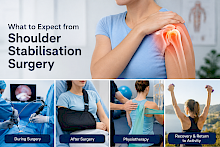
Shoulder instability can be frustrating, painful, and limiting. Whether your shoulder repeatedly dislocates, feels loose during certain activities, or causes ongoing discomfort, shoulder stabilisation surgery may be recommended to restore stability and help you return to the activities you enjoy.
If you're preparing for surgery, understanding the process can help ease anxiety and set realistic expectations for recovery.
Shoulder Stabilisation Surgery
Why is Shoulder Stabilisation Surgery Needed?
The shoulder is the most mobile joint in the body, which also makes it one of the most prone to instability. Repeated dislocations or subluxations (partial dislocations) can damage the ligaments, labrum and surrounding structures that normally keep the shoulder securely in place. The goal of surgery is to repair or reconstruct the damaged structures and reduce the risk of future dislocations.
The Surgery
During the operation, your surgeon may:
- Repair torn ligaments or the labrum
- Tighten the joint capsule
- Address any bone loss if present
- Restore stability to the shoulder joint
Post Surgery
Immediately after surgery
Following surgery, your arm will typically be placed in a sling to protect the repair.
You may experience:
- Pain and discomfort
- Swelling around the shoulder
- Bruising extending into the upper arm
- Temporary stiffness
Pain management strategies may include prescribed medications, ice application, and activity modification.
Recovery Timeline
Recovery varies between individuals and depends on the type of stabilisation procedure performed.
Weeks 0–6
- Sling worn most of the time
- Gentle exercises may begin under guidance
- Avoid lifting, pushing, or pulling
- Focus on protecting the repair
Weeks 6–12
- Gradual reduction in sling use
- Increased shoulder mobility exercises
- Begin strengthening under physiotherapy supervision
- Improved comfort with daily activities
Months 3–6
- Progressive strengthening program
- Return to most daily tasks
- Gradual return to recreational activities
Months 6–12
- Return to higher-level sports and physical activities
- Continued improvement in strength and confidence
- Final stages of healing and rehabilitation
The Importance of Physiotherapy
Surgery is only one part of the recovery journey. Physiotherapy plays a vital role in achieving the best outcome.
A structured rehabilitation program helps:
- Restore movement
- Improve strength
- Enhance shoulder control and stability
- Reduce the risk of re-injury
- Support a safe return to sport and work
Following your rehabilitation plan closely is one of the most important factors in a successful recovery.
Book an appointment today!
Recovering from shoulder stabilisation surgery is a journey and having the right rehabilitation team can make all the difference. At Active Hand Therapy, our experienced physiotherapists work closely with your surgeon to guide you through every stage of recovery. From pain management and restoring movement to rebuilding strength and safely returning to work, sport and daily activities, we'll develop an individualised treatment plan to help you achieve the best possible outcome.
To book an appointment or learn more about our post-operative rehabilitation services, contact Active Hand Therapy today.